Egan, Chapters 1–2

The Death and Life of the Great Lakes · “Carving a Fourth Seacoast” & “Three Fish”

FRST 110 · Monday, September 14 · Egan 1–2

Fish

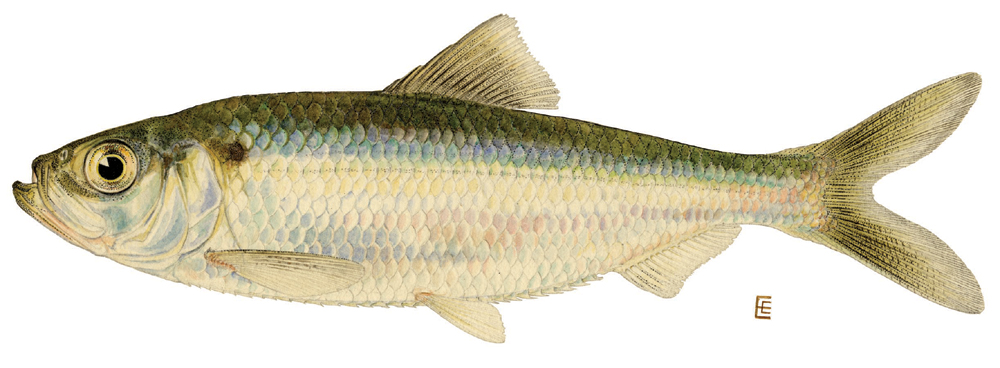
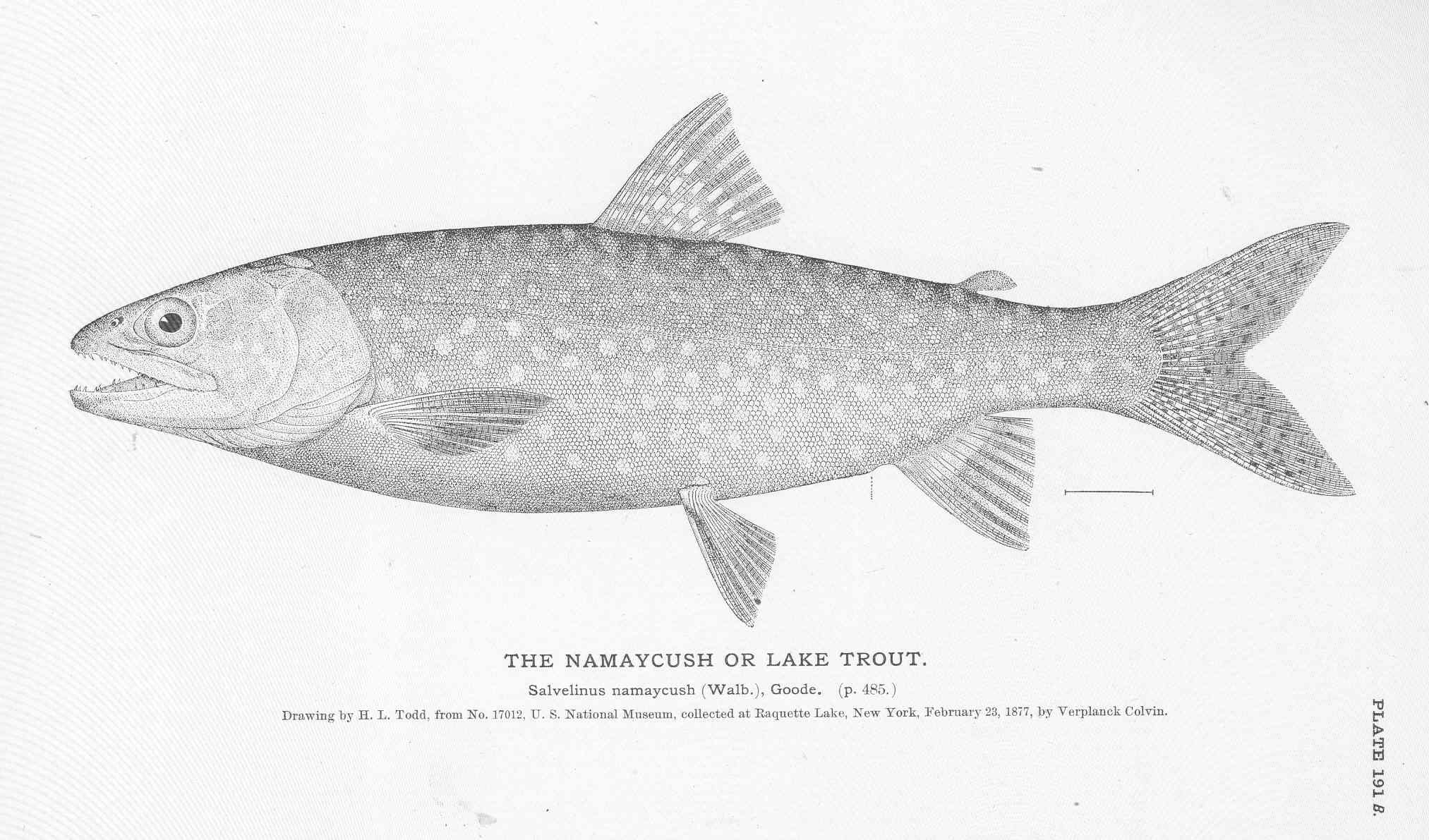
Compare body shape first. These historical illustrations are not to the same scale.

No. 01Chapter 2
Lake trout: Light spots. Dark body. Deeply forked tail.

Lake trout

Native predator

Salvelinus namaycush

Identifying features: Light spots. Dark body. Deeply forked tail.

A long-lived fish that hunts in cold water. Egan traces its decline and the resulting changes in the food web.

Predator ≠ parasite. The trout eats other fish; the lamprey attaches to a host.

No. 02Chapter 2
Sea lamprey: Long, round body. Sucker mouth. No paired fins.

Sea lamprey

Parasite in the upper Great Lakes

Petromyzon marinus

Identifying features: Long, round body. Sucker mouth. No paired fins.

Its canal-assisted spread into the upper lakes puts a new pressure on native fish. Control efforts target larvae living in streambeds.

An eel-like fish, but not an eel. “Invasive” here refers to sea lampreys in the upper Great Lakes.

No. 03Chapter 2
Alewife: Silvery sides. Flattened body. Large eye.

Alewife

Introduced herring

Alosa pseudoharengus

Identifying features: Silvery sides. Flattened body. Large eye.

A schooling, plankton-eating herring. As predators decline, its population grows; large die-offs leave dead fish on beaches.

Its abundance raises a management question: how to control the population.

People

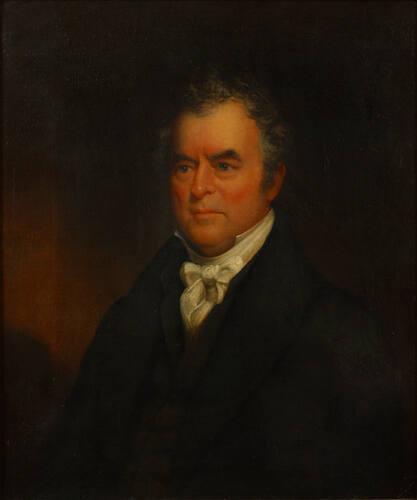
Historical painted portrait of Jesse Hawley

Jesse Hawley

Canal advocate · ch. 1

A flour merchant who proposes an inland canal while in debtors’ prison. His proposal addresses the cost of transporting goods.

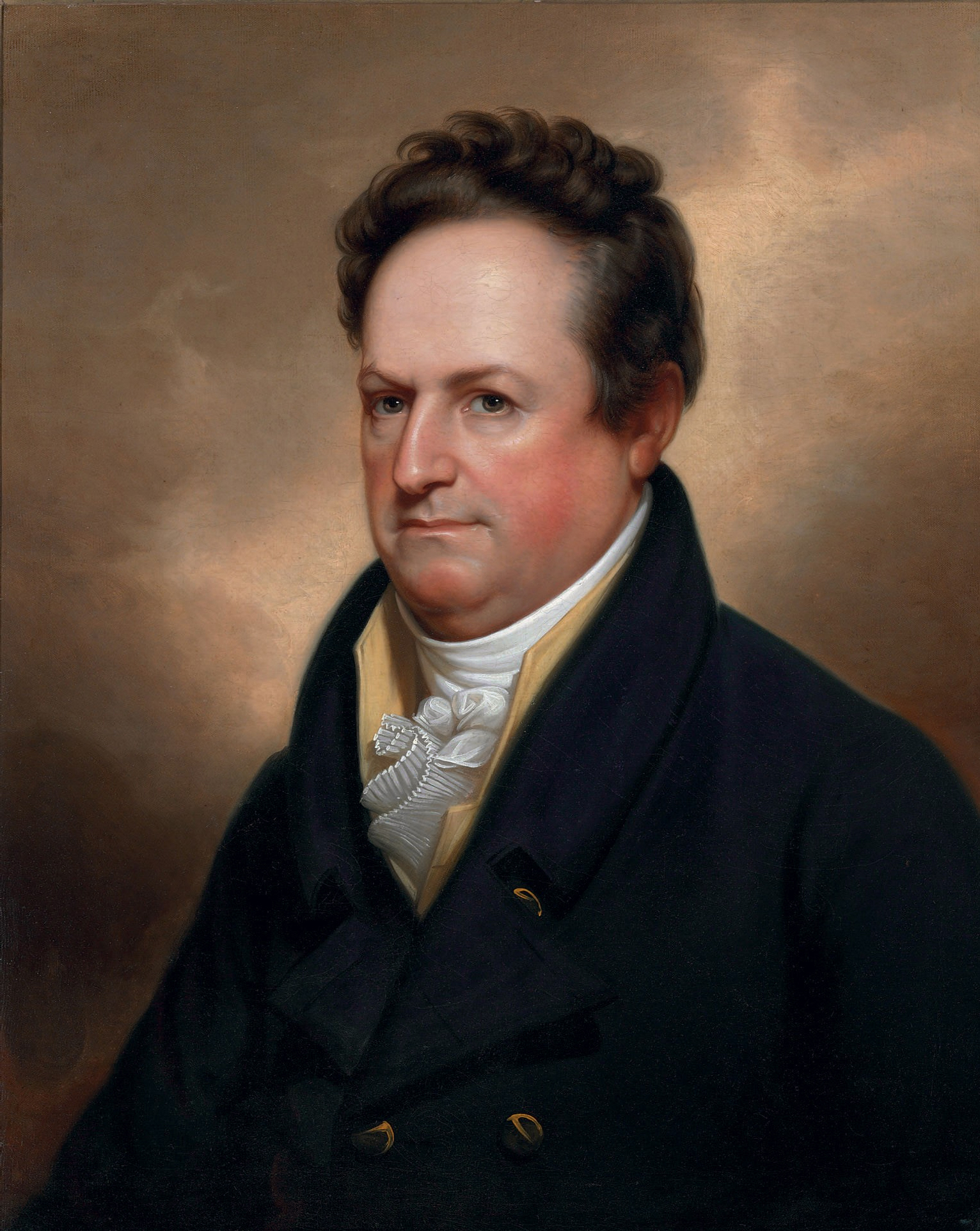
Historical painted portrait of DeWitt Clinton

DeWitt Clinton

New York governor · ch. 1

New York’s governor supports the Erie Canal and works to secure political backing for its construction.

George Hickey

Moulinette resident · ch. 1, pp. 33–34

A resident of Moulinette whose home must move for the Seaway project. His account describes the loss of homes, graves, and community ties.

Pat Kenney

Student letter writer · ch. 1, p. 35

An eighth grader who writes to President Eisenhower about the danger to freshwater fish.

Lewis G. Castle

Seaway official · ch. 1, p. 35

The Seaway official who answers Kenney. His explanation of outward-flowing freshwater overlooks the organisms ships can carry in ballast water.

No verified portraits are shown for Hickey, Kenney, or Castle.

Great Lakes Science Hall of Fame

Applegate and Tanner propose different approaches to managing the lakes’ fish populations.

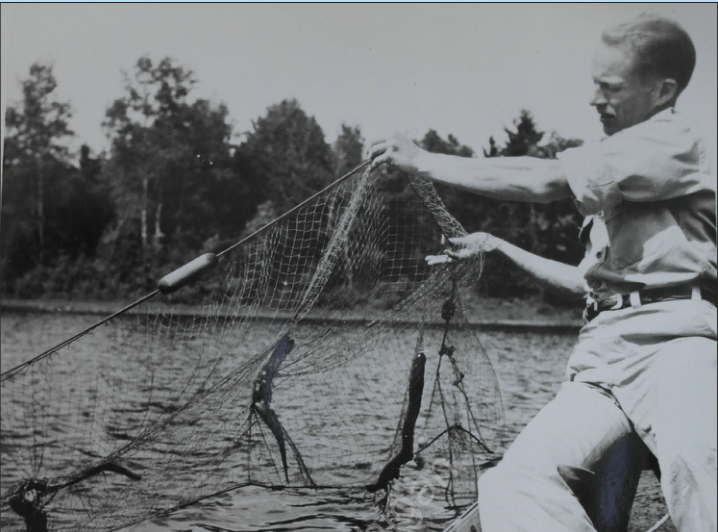
Vernon Applegate handling a net from a boat

Vernon Applegate

Lamprey research and control

Tracks the lamprey’s life cycle and leads the search for a treatment that can kill lampreys while sparing other fish. His aim: make native lake trout recovery possible.

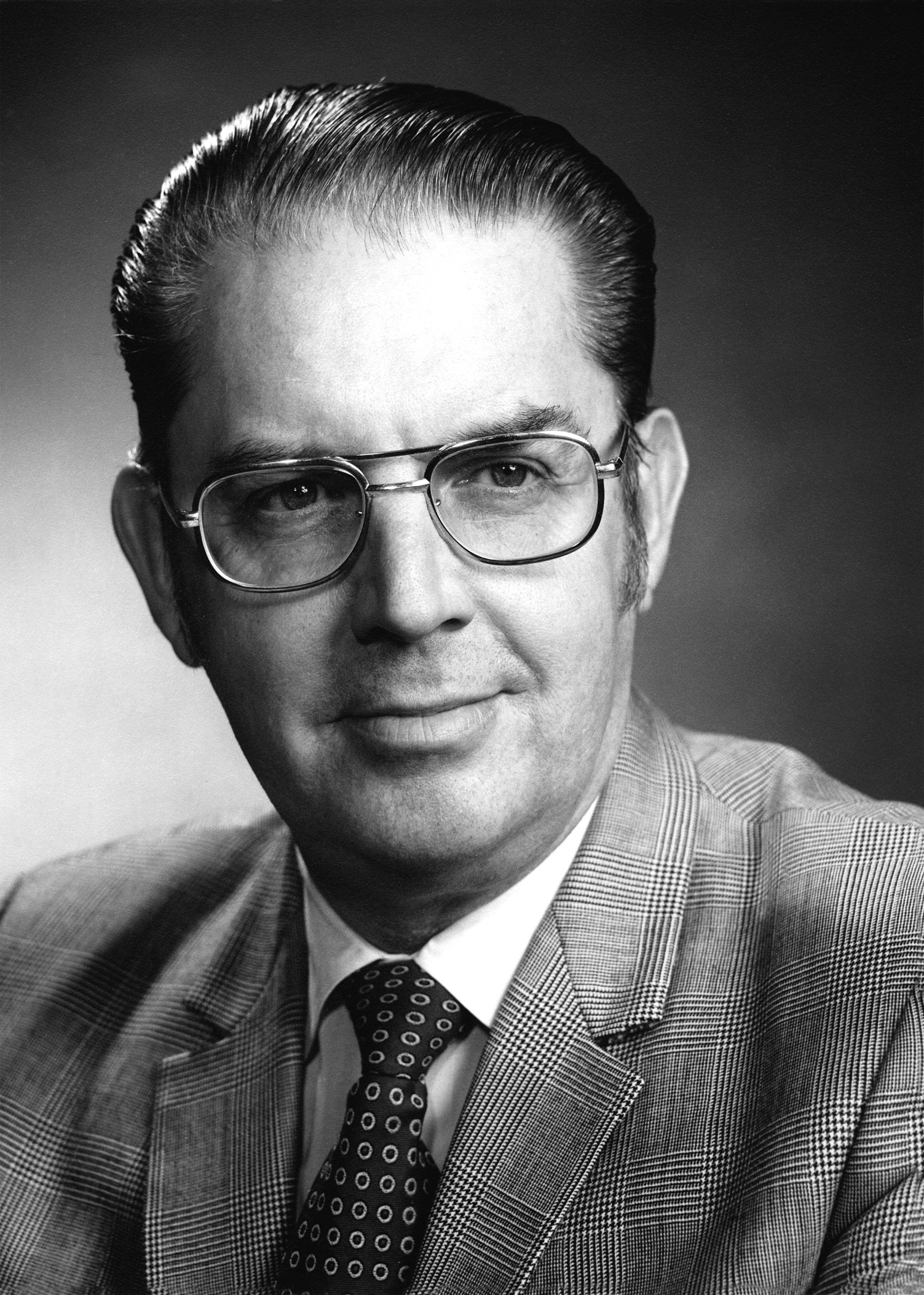
Howard Tanner wearing glasses, a suit, and tie

Howard Tanner

Salmon stocking

Appears at the end of chapter 2 with a competing vision: manage the altered lakes by introducing a new predator.

Louis King and Cliff Kortman also conduct chemical testing under dangerous working conditions. Kortman began as a janitor. See pp. 62–64.

James J. Strang

The self-proclaimed king on Beaver Island also observes differences among lake trout. Egan uses his observations to describe differences within the species. See chapter 2, pp. 42–44.

Settings

The same lake outlines as our class map. Find the place, then connect it to a character.

Swipe the map sideways. Tap a setting below to highlight it and bring it into view.

The settings of Egan’s first two chaptersNorth-up Great Lakes locator. Chicago at Lake Michigan’s southern tip; Hammond Bay on northern Lake Huron; Niagara and Welland between Erie and Ontario; Erie Canal endpoints Buffalo and Albany; Lost Villages near Long Sault east of Lake Ontario. Numbers correspond to the setting list below.SuperiorMichiganHuronErieOntarioCANADAUNITED STATES↑ N1Chicago2Hammond Bay3Niagara / Welland4aBuffalo4bAlbany5Lost Villages200 km at 45°N
Niagara detail: Welland Canal bypasses the falls to the west; Buffalo is at Lake Erie’s eastern end.Niagara FallsBuffaloLake OntarioLake ErieWellandCanal↑ N · DETAIL
Niagara Falls and Welland Canal. The canal runs west of the falls. Blue = river; rust = canal. Present-day geometry locates the waterways; historical canal alignments changed.

North up · equirectangular at 45°N · regional locator, with a Niagara detail. Lake geometry: class handout, September 3, 2026; waterways: class map game, September 8. © OpenStreetMap contributors, ODbL. Sources & location notes.

Philosophical questions

Philosophical lenses for reading—not Egan’s own headings, and not necessarily either/or choices.

Progress vs. Precaution

Ethics of risk

Canals and the Seaway expand trade and create routes for introduced species.

What risks did canal and Seaway advocates consider, and what risks did they overlook?

Human usefulness vs. Ecological integrity

Environmental ethics

Shipping supports trade but can introduce species that damage the lake’s food web.

How does Egan’s account of native fish complicate the case for expanding shipping?

Collective prosperity vs. Local justice

Distributive justice

The Seaway’s regional benefits arrive with the loss of Hickey’s community.

Who benefits from the Seaway, and what does Hickey’s community lose?

Expert authority vs. Critical inquiry

Epistemology: how we know

Castle offers a correct fact about water flow; Kenney’s larger concern remains unanswered.

Why does Castle’s explanation of water flow fail to answer Kenney’s concern?

Targeted control vs. Systems thinking

Causation and interdependence

Suppressing lampreys helps trout, but alewife populations remain a management problem.

Why does controlling lampreys fail to restore the earlier food web?

Restoration vs. Redesign

The meaning of “nature”

Applegate hopes to recover native trout; Tanner points toward a newly managed fishery.

How do Applegate’s and Tanner’s goals for the fishery differ?
Narrative effects

These examples concern Egan’s use of description, sequence, and contrast.

  1. WonderDescriptions of the lakes’ size and the scale of canal construction.
  2. UneaseThe story narrows from engineering achievement to Hickey’s displaced home.
  3. HorrorDescriptions of lamprey mouths and the injuries they inflict on fish.
  4. SuspenseRepeated failed trials delay the discovery of a selective treatment.
  5. Relief → uncertaintyThe discovery of a lamprey treatment is followed by the unresolved alewife problem.
Image credits & sources

Reading: Dan Egan, The Death and Life of the Great Lakes (2017), chapters 1–2, printed pp. 3–74. Descriptions and philosophical questions are original reading-guide paraphrases.